
Key Takeaways
- Assisted living helps you with daily tasks, while skilled nursing provides ongoing medical care
- Your daily routines and nursing needs help guide your care choice
- Other levels of care you may consider
- Ask about care plans, nurse availability, costs, and family updates before you choose
How Assisted Living Differs From Skilled Nursing
You may be comparing care options because getting dressed takes more effort or a parent needs help with medications. As you explore care at The Gardens of Three Rivers, you may wonder which care setting fits your situation.
Assisted living supports your daily activities, while skilled nursing can provide round-the-clock nursing care for medical needs. Your choice depends on the help you need each day.
Assisted Living and Skilled Nursing Care Differences
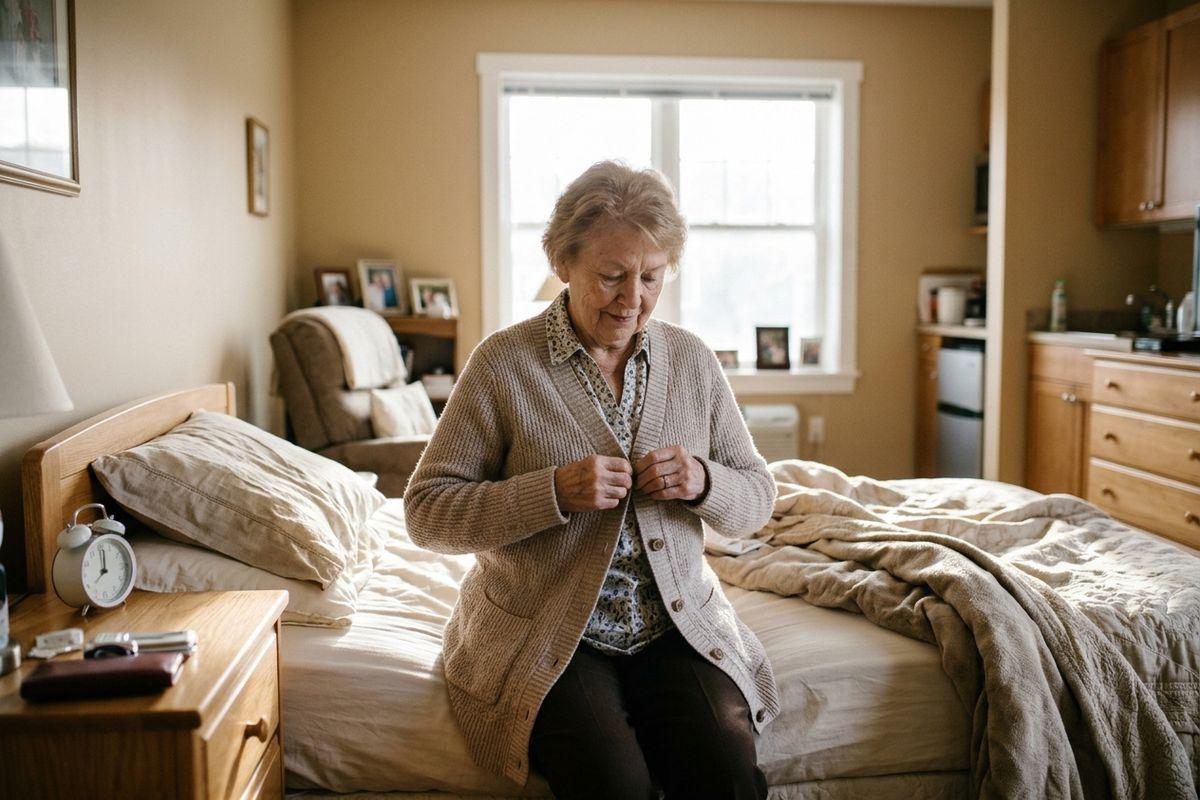
Assisted living can help you with tasks such as bathing, dressing, and taking medications. You can receive support while keeping choices about your daily schedule. For example, your care plan may include help getting ready before breakfast.
Skilled nursing focuses on medical care that calls for ongoing attention from licensed nurses. It may also include rehabilitation, or support to help you recover after a hospital stay. You may need this support for a short period or longer.
When you compare options, ask what nursing support is available, when nurses are present, and which needs the team can support.
Which Level of Care Fits Your Needs?
Start with an ordinary day. Think about what you do on your own, where you welcome help, and what support your family provides. These questions can help you describe your routine to a care team.
- Do you want help with bathing or choosing clothes?
- Would support with meals or medications help your routine?
- What assistance do you need to move between your bed and chair?
- Do you need ongoing nursing care or rehabilitation?
If your main needs involve daily activities, assisted living may fit. If your care includes frequent medical attention or skilled rehabilitation, skilled nursing may be appropriate. A care assessment helps clarify what a setting can provide.
Ask how the team reviews your care plan as your needs change. You can also discuss who contacts your family and how you take part in updates. Clear communication helps everyone work from the same information.
Where Memory Care and Respite Care Fit Your Plans
Memory Care for Your Dementia Support Needs
If you’re exploring memory care, look at both daily support and the setting. Memory care provides a secure environment for people living with dementia who need help with routines. Your questions can focus on personal care and how the team communicates with your family.
Memory care and skilled nursing serve different purposes, so ask whether a community can support your full care needs.
Respite Care for Your Short-Term Support Needs
Respite care offers temporary support when your usual caregiver takes a break. If you’re considering respite care, discuss your routine, medications, and the help you need during the stay.
A respite stay differs from short-term skilled rehabilitation. Respite care centers on temporary daily support, while skilled rehabilitation addresses recovery needs that call for skilled services. Ask about the stay length, care assessment, and arrangements for your return.
How Costs and Coverage Affect Your Care Choices
Request a written estimate based on your care needs. A clear cost breakdown can help you plan and compare services rather than just starting prices. Ask the team to explain these charges in plain language.
- Your daily or monthly rate
- Services included in that rate
- Additional care and medication support charges
- How costs may change as your support needs change
Making Your Choice
Your care choice starts with the support you need and the routines you value. The Gardens of Three Rivers offers assisted living, secure memory care, and short-term respite care. Taking time to evaluate your daily priorities can help ensure you select an environment where you or your loved one feel truly supported.
You can request a tour to discuss personalized care plans and family communication. Visiting the community in person allows you to observe the daily atmosphere, ask specific questions about staff availability, and see firsthand how care is tailored to individual needs. Having these conversations early helps your family make a confident, well-informed decision together.